
The First Response After Standing Water
Water mitigation is the immediate response to standing water or a fresh leak, extracting standing water, setting up air movers and dehumidifiers, and stopping the damage from spreading before it becomes a full restoration project.
This is a distinct service from the plumbing repair itself and runs on our dedicated water-damage line, since the equipment, timing, and priorities are different from a standard plumbing dispatch.
Emergency Water Mitigation: Standing Water and Wet Materials
Standing water, soaked carpet, or a wet ceiling calls for extraction and drying quickly, because moisture left in building materials can lead to mold and to swollen or warped finishes. Our 24/7 line is open for exactly this kind of call.
We extract standing water, set drying equipment, and confirm the leak is fixed so the structure does not get wet again. Photos taken before we start help with your insurance paperwork.
While You Wait For Us
- Shut off the water source if you can reach it
- Turn off power to rooms with standing water
- Photograph the area before anything is moved
- Call us and tell us how much water is on the floor
Why the First Few Hours Matter
Materials that are extracted and dried within the first 24 to 48 hours have a much higher chance of being saved rather than needing to be removed and replaced, which is the entire reason mitigation is treated as time-sensitive.
Equipment We Actually Use
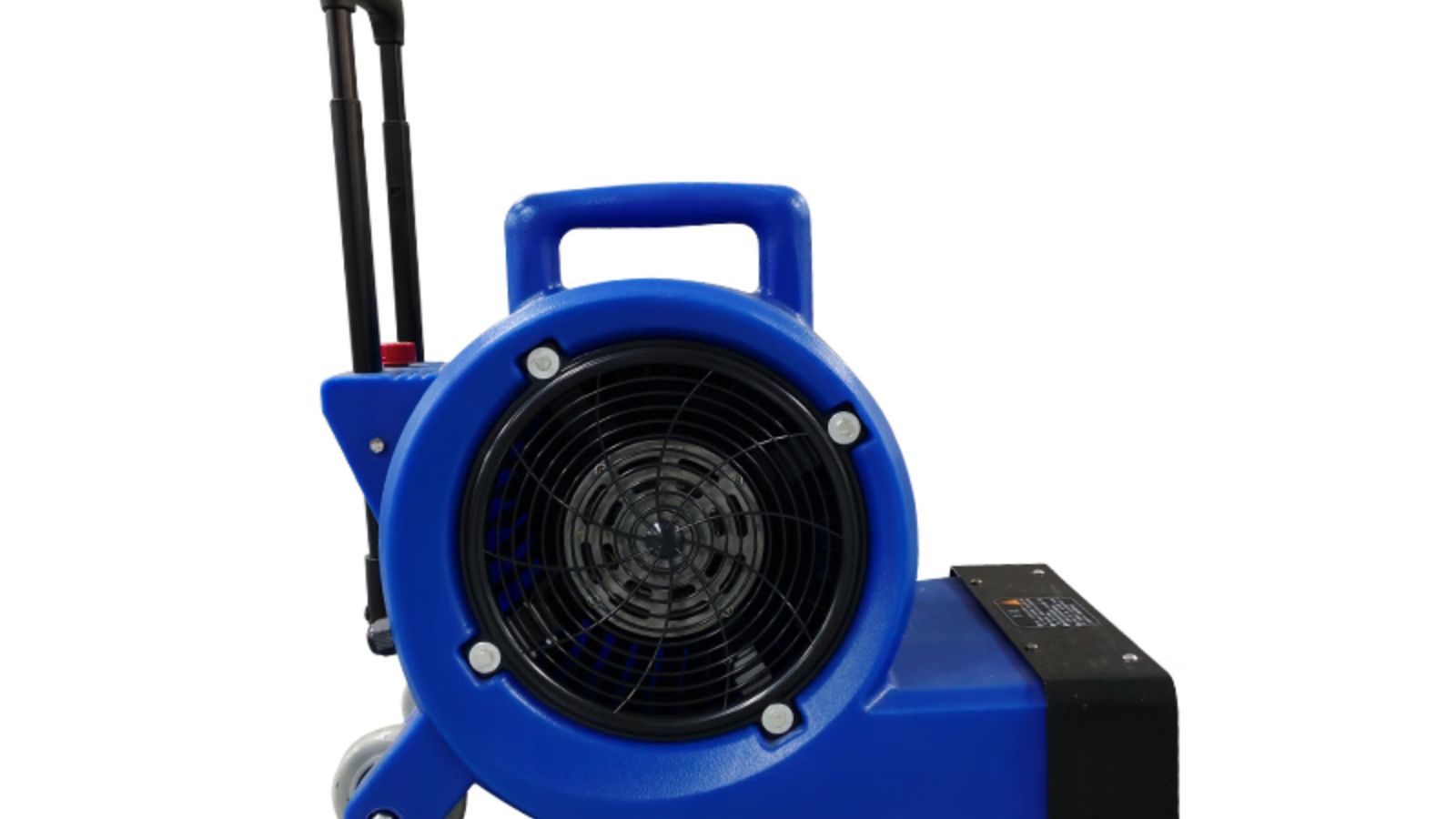
Commercial-grade air movers and dehumidifiers pull moisture out of affected materials far faster than consumer equipment, which is the entire point of professional mitigation over a homeowner's shop fans and a portable dehumidifier from a hardware store.
We monitor moisture levels throughout the drying process with a meter, not a guess, so materials aren't removed unnecessarily or, just as importantly, aren't left wet longer than they need to be.
Preventing Secondary Damage
Mold can begin developing within 24 to 48 hours in wet material sitting in a home's normal indoor humidity, which is why mitigation equipment goes in immediately rather than waiting for a scheduled slot.
We also check adjacent rooms and lower levels for water that's traveled further than the visible damage suggests, since water follows gravity and gaps in framing in ways that aren't always obvious from the surface.
Getting Equipment Running Fast
We prioritize water-damage calls on a dedicated line specifically so response time stays fast, since equipment placement within the first few hours matters more here than almost any other factor in the outcome.
A technician assesses and begins extraction and equipment placement on the same visit, with a follow-up schedule for monitoring moisture levels until materials are confirmed dry.
Coordinating With the Repair Itself
We can coordinate directly with our own plumbing team when the mitigation follows a leak we're also repairing, which keeps the timeline tighter than managing two separate companies for what's really one connected problem.
If the original leak was caused by someone else's work, we document everything clearly enough to support that conversation too.
Serving Westminster and Nearby
Mitigation response covers all of Westminster, 80003 through 80260, on our dedicated water-damage line.
Mitigation calls reach us from every neighborhood, and the first thing we check is whether water traveled to a lower level or an adjoining unit in the townhome communities around the Promenade and Bradburn Village.
We stay in contact throughout the drying process with regular moisture readings, so you're not left wondering how much longer equipment needs to run or whether the affected areas are actually improving.
We also assess whether affected insulation needs removal, since wet insulation loses most of its effectiveness even after the surrounding materials are technically dry, which is easy to miss without checking directly. Once drying is confirmed complete, we provide documentation of final readings so there's a clear record the space met a safe standard before anything is closed back up. That paperwork is yours to keep regardless of how the rest of the claim or repair conversation plays out.