
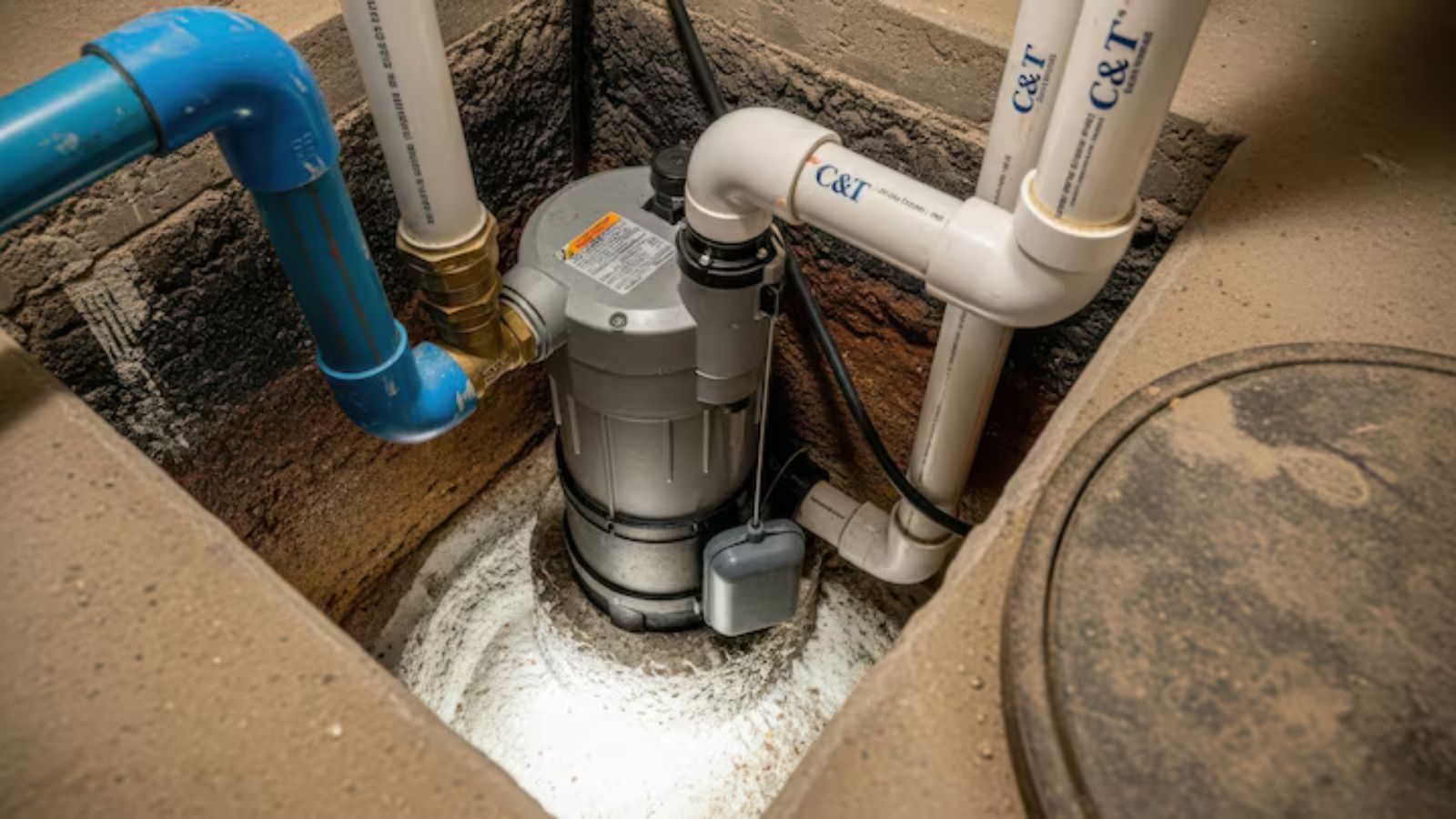
Emergency Sump Pump Failure: Water Rising in the Basement
A pump that has stopped during a storm or a spring thaw leaves little time before water reaches finished space. Call our 24/7 line and we diagnose the failed pump, float switch, or discharge line and get water moving again.
If the pit is full and the pump runs but does not move water, the check valve or discharge line is a common cause. If it will not run at all, we advise on a repair or a replacement with a battery backup so the next outage does not repeat the problem.
While You Wait For Us
- Stay out of standing water if outlets or cords are nearby
- Turn off power to the basement circuit if water reaches outlets
- Move belongings off the floor
- Call us and tell us whether the pump runs, hums, or is silent
Why Sump Pumps Matter More in Front Range Spring
Westminster's spring snowmelt, combined with occasional heavy rain, pushes groundwater up around foundations built into the area's clay-heavy soil, which drains slowly compared to sandier ground.
A sump pump that's undersized, aging, or has a failed check valve can't keep pace with a fast snowmelt, which is when basements flood even in homes that have never had a problem before.
Repair, Battery Backup, or Full Replacement
A pump that runs constantly, cycles oddly, or has a stuck float switch is usually repairable. A pump over 7 to 10 years old, or one that failed during an actual flood event, is worth replacing outright, and we strongly recommend a battery backup system for any home that's lost power during a storm before.
Sizing a Sump Pump Correctly
An undersized pump is one of the most common reasons a basement floods even with a working sump system. The pump has to be sized to the pit's actual inflow rate during a heavy snowmelt, not just a generic horsepower rating pulled off a shelf.
We size replacements based on the specific basement and pit, not a one-size-fits-all recommendation, which is part of why we check the existing pit and float switch before quoting a replacement.
Testing Your Pump Before You Need It
Pouring a few gallons of water into the pit and watching the pump engage and clear it is a genuinely useful test any homeowner can run before spring snowmelt, not just something to check after a flood.
A pump that hesitates, runs unusually loud, or doesn't fully clear the pit during that test is worth having looked at before the next real storm, not after.
Getting a Repair or Install Scheduled
An actively failing pump during wet weather gets emergency priority, since a basement flooding in real time isn't something that should wait for a standard appointment window.
A standard replacement, once the old pump and pit are inspected, typically takes under two hours including testing the new unit under load before we leave.
Primary vs. Backup Systems
A primary pump handles normal groundwater. A battery or water-powered backup takes over specifically during a power outage, which is exactly when a primary pump is most likely to be needed and least likely to be able to run.
Serving Westminster and Nearby
Sump pump calls concentrate in lower-lying and older basement construction near 80030 and 80221, where groundwater during spring snowmelt is more of a factor.
Sump pump checks make the most sense for homes near the city's lakes and creek. Westminster counts more than 40 man-made lakes of an acre or more, along with Big Dry Creek, City Park Lake, and Standley Lake.
We test the full system, pump, float switch, and check valve together, since a replacement pump paired with a failing check valve can still let water flow backward into the pit between cycles.